Dubai wears spectacle well. It is a city that treats skylines like stages, where architecture rises to meet ambition, and evenings seem purposely designed for lingering. Among all the high-gloss experiences scattered across the emirate, a Dhow Cruise Dubai Marina stands out for a simple reason: it combines the city’s showpiece beauty with unhurried time on the water. If you only have a few nights in town, you will see more, feel more, and remember more from a Dubai marina cruise than from most other outings.
I have booked, hosted, and taken guests on dhow dinners more than a dozen times, and the pattern never fails. The first few minutes carry the bustle of boarding and the quiet jostle for the best seat. Then, as the dhow slides away from the pier and the towers switch fully to their nighttime attire, the entire boat settles into a rhythm. The music softens, cutlery rests on plates, and phones rise to eye level. It is not just sightseeing, it is pacing yourself to the city’s pulse.
What exactly is a dhow cruise?
A dhow is a traditional wooden vessel that once hauled goods along the Arabian coast and into the Indian Ocean. Today, most dhow cruises on the Marina are purpose-built wooden boats styled after those originals, retrofitted with LED lighting, covered decks, panoramic windows, and professional kitchens. Expect two decks: a lower, air-conditioned salon with picture windows and an open or semi-open upper deck. The upper deck is where you want to be if the weather is agreeable, because the views run uninterrupted.
Operators run two main time slots. The early dinner cruise usually departs around sunset, which varies by season, and the later slot boards after dark. Trips typically last 90 minutes to two hours, covering a loop that includes Marina Walk, the twisted Cayan Tower, Pier 7, the glittering cluster of skyscrapers along Al Marsa Street, and a turn toward Bluewaters Island with sightlines of Ain Dubai, one of the world’s largest observation wheels. Some nights, if maritime traffic allows, the route pushes out close to JBR, which gives you the contrast of beachfront energy and yacht-lined canals.
Why the Marina beats other waterways
Dubai has three main cruising areas: Dubai Creek, Dubai Canal, and the Marina. All are valid choices. The Creek carries old trading soul and views of heritage architecture. The Canal offers a modern route with the waterfall bridge and skyline peeks. The Dubai marina cruise, though, wins for a first-time visitor because the concentration of high-rise drama is simply unmatched. Stand on the rail of a dhow and you are ringed by towers so close that their reflections stitch a living tapestry onto the water. It is an amphitheater, and you are in the center of it.
Practicality adds weight. The Marina is compact and easy to reach by metro at DMCC or Sobha Realty, by tram, or by taxi without long transfers. Piers sit steps from restaurants, so you can turn your evening into a broader night out. And the waters are calm. Unlike the open sea, the man-made canal tucks you behind breakwaters, perfect for travelers who want a smooth ride with minimal motion.
The rhythm of a typical evening on board
Even before the gangway drops, the boats make a statement. Their bows are laced with lights, and staff in crisp uniforms greet passengers with a welcome drink, often a chilled fruit punch or mint lemonade. Boarding is brisk. Most operators assign tables by booking order and deck preference, but a polite ask on arrival can sometimes shift you to the upper deck if there is room. If photography matters to you, aim for a table along the railing, not in the center, and position yourself forward of the midship pillars that can creep into your frame.
Departure is a small performance. Engines hum low, ropes coil back aboard, and the dhow glides into the channel. Music starts, usually instrumental or light pop at a volume that keeps conversation possible. The first half-hour is prime viewing. The Marina’s lighting design is intentional, with facades choreographed to color changes and LED sequences. Look for the helix of Cayan Tower, the geometry of Marina Gate, and the mirrored surfaces that pull long smears of neon into the water.
Dinner service follows one of two formats: buffet or set menu. Buffets remain common, shaped around international staples with Middle Eastern touches. You will see grilled meats, biryani or saffron rice, google.com vegetable curries, salads, and desserts like Umm Ali. Higher-end Dhow Cruise Dubai operators lean toward plated menus or live stations, and they will usually advertise that difference. Food is better than it needs to be for a sightseeing boat, but do not expect fine dining unless you pay for a premium tier. What you are paying for, really, is the seat with a moving view.
Entertainment varies. Some nights you get a tanoura performance, a whirling dervish-style dance that is touristy yet oddly meditative to watch. Other nights a singer takes a few requests, or a saxophonist wanders the deck between tables. If that sounds too loud for you, choose operators that emphasize a relaxed ambience. There are several that market themselves as quiet dinner cruises without performances.
The glide back to the pier is often the most rewarding part. The photos are taken, plates cleared, and conversations loosened. You start spotting things you missed earlier: the tiny balconies with fairy lights, the runners circling Marina Walk, the crews washing down superyachts, the way the wind shifts direction when you pass between towers. By the time you step back onto the dock, the Marina feels familiar, like a neighborhood you have walked twice.
Choosing the right operator without overpaying
Not all Dhow Cruise Dubai options are created equal, and the pricing spread can be wide. You will see offers for as low as 90 to 120 AED per adult on deal sites during quieter months, and premium boats ranging well above 250 AED when demand peaks. Price usually signals three differences: deck quality, food standard, and level of service.
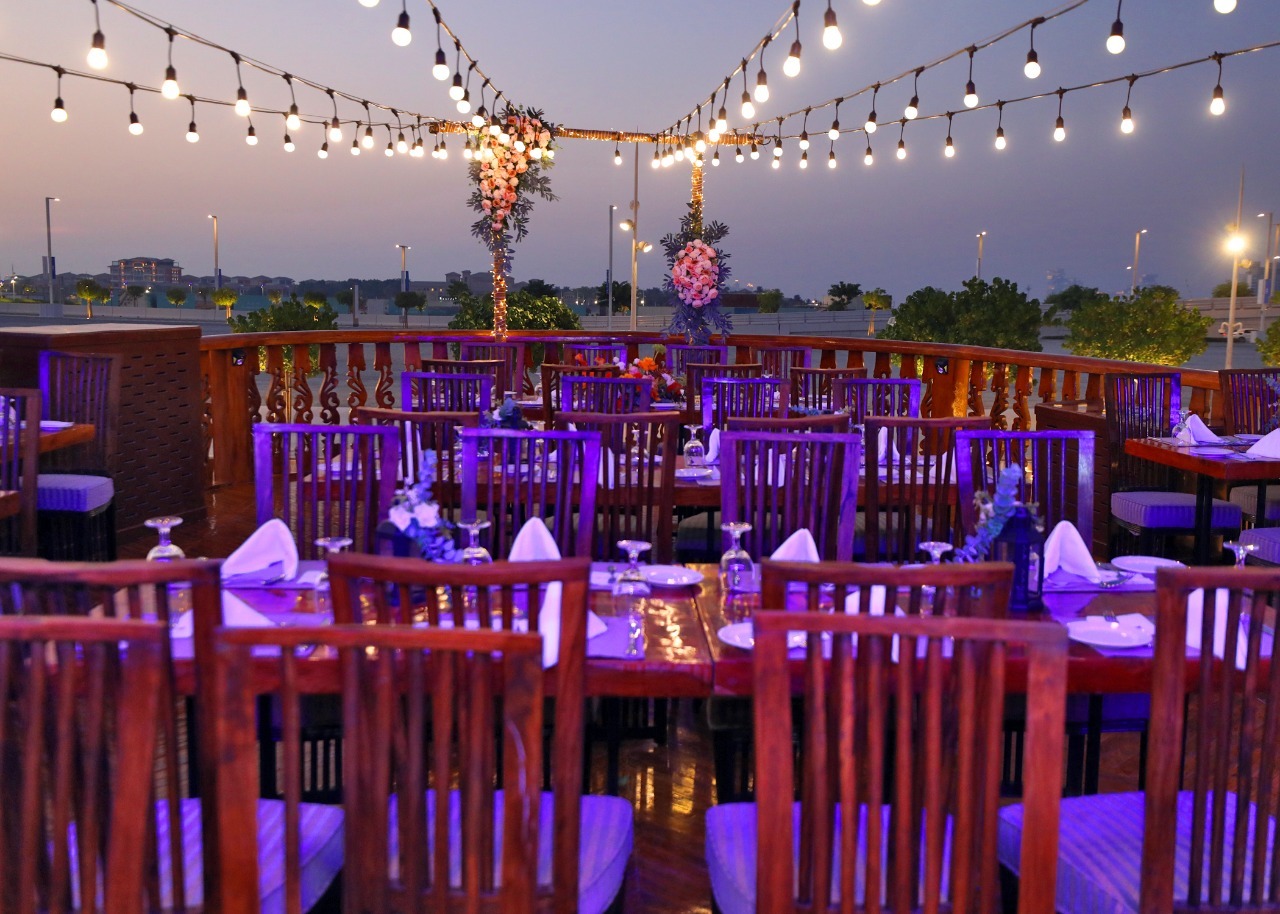
Woodwork and seating matter more than you think. A beautifully maintained dhow with clean varnish, comfortable chairs, and clear railings changes the entire feel of your night. On budget boats, seating can be tight, and tables may sit under speakers. On nicer boats, tables have real cloth, staff refresh water without prompting, and the lighting does not blow out your night photos. For something special, look for limited-capacity boats that cap at around 60 to 80 guests. They cost more but rarely feel crowded.
Food quality mirrors the ticket price. If you see generic buffet labels and stock images on the booking site, temper expectations. If the operator lists specific dishes, mentions live grills, or offers a vegetarian or vegan menu on request, the kitchen probably takes pride in the product. A Dubai marina cruise does not live or die by the food, but a thoughtful menu turns a good night into a polished one.
Service is the final differentiator. Watch how staff handle boarding, seating, and special requests. The better operators confirm deck preference ahead of time, share exact boarding gate details, and communicate on WhatsApp the morning of your cruise with a pin drop for the pier. They also stick close to advertised departure times and do not overload the boat.
When to go for the best light and the right temperature
Dubai’s calendar matters more than many visitors realize. The sweet spot for an open-deck Dhow Cruise Dubai Marina is late October through April. Evenings are pleasant, with temperatures in the low to mid 20s Celsius, and you can sit upstairs without breaking a sweat. A shawl or light jacket is enough, especially on breezy nights.
Summer is still feasible. Operators keep the lower deck cold with strong air conditioning, and sunset shifts later, which means you board in daylight and watch the sky turn electric behind the towers. If you are sensitive to heat, pick the later evening slot, sit downstairs by a window, and go easy on hot curries. The Marina’s enclosed waters trap less wind than the open Gulf, so summer nights feel still. Hydration helps more than you think, and staff will constantly refill water whether you use a drinks package or not.
Timing within the evening is a choice between mood and photography. A sunset departure gives you the golden hour sliding into twilight, which is a photographic gift. A late-night slot offers full neon, cleaner reflections, and usually a quieter pier with less boarding congestion. If you want both, consider booking two different nights with different time slots. It sounds indulgent, yet many repeat visitors do exactly that and declare it the highlight of their trip.
What to expect with kids, multi-generational groups, or business guests
Over the years, I have taken families with toddlers, visiting grandparents, and executives who had four hours between meetings. A Dubai marina cruise handles all three well, with a few caveats.
Families with small children should opt for upper deck rail seating, but insist on an inside chair with an adult between the child and the rail. The railings are safe, yet excited kids lean forward when boats or jet skis pass. Bring a light cardigan for them; the breeze can trick them into a chill even in warm months. Entertainment helps. Tanoura dancers delight kids, while long ballads might not. If dinner routines matter, aim for the earlier cruise so bedtime happens on time.
For older travelers, the main concern is boarding and stairs. Most dhows require a short gangway walk and a flight of steps to the upper deck. If anyone in your group has limited mobility, request lower deck seating by the window at the time of booking and confirm again by message on the day. Restrooms are typically on the lower deck, so plan accordingly if your table is upstairs.
Business guests value predictability, quiet, and punctuality. Choose a premium operator with assigned seating, clear boarding instructions, and a mature playlist. Ask for a corner table on the upper deck, and check that alcohol service aligns with your company or client expectations. Many boats are dry by default, some allow paid packages, and a few premium vessels have a licensed bar. If drinks matter, confirm in writing.
The small details that elevate the experience
Little choices add up. Put your phone in airplane mode for 15 minutes and let your eyes recalibrate to the night. Take the first lap along the rail when the boat clears the pier, then sit and eat while everyone else scrambles for photos. Circle back after dessert, when the crowd thins, and you will have empty railing space for the frames you actually want.
Photography on a moving boat rewards simple settings. If you shoot on a phone, switch to night mode, lock focus on a mid-brightness building, and brace your elbows on the table or rail. If you have a camera, use a wide lens, keep shutter speed around 1/60 to 1/125 to control blur, and raise ISO as needed rather than dragging the shutter. The Marina’s light pollution is your friend, it fills shadows and adds glow.
Dress for ease, not performance. You will climb stairs, move between decks, and line up at a buffet. Choose shoes with grip. If you wear a long dress, pick a hem that will not catch on steps. For men, a linen shirt handles the breeze and still looks right in photos. Perfume and cologne can feel heavy in summer humidity; go lighter than usual.
Food and drink without guesswork
On most dhows, the menu tilts international to satisfy many palates. Expect grilled chicken, lamb or beef, a baked fish or grilled fillet, mixed vegetables, rice dishes, salads, bread, and a dessert station. Vegetarian options often include dal, vegetable curry, and pasta. For vegans or gluten-free diners, communicate early. Good operators can provide a plated solution if they know ahead of time, while last-minute requests may only yield salad and fruit.
Portion control is harder than it looks because you eat while the scenery evolves. My approach is simple: take a small plate on the first pass, then go back for what you genuinely liked. If there is a live carving station or grill, wait for a fresh batch rather than taking the last pieces in a tray. They cook in steady cycles and the next batch nearly always tastes better.
Alcohol policies vary. Some Dubai marina cruise boats do not serve alcohol at all. Others sell beer and wine by the glass, while a few offer packages. If you prefer a dry night, you are in luck; the Marina’s atmosphere carries itself without a drink. If you want a toast, pick an operator that lists alcohol in the inclusions and brings a proper wine chiller to the table instead of warm bottles and ice cubes in a glass.
Weather, motion, and seasickness concerns
The Marina is sheltered. You will not feel ocean swell the way you might on a deep-sea fishing trip. That said, boats create wakes. When your dhow crosses behind a larger yacht or a water taxi, you will get a gentle roll for a few seconds. Most passengers barely notice it. If you are very prone to motion sickness, sit midship, look toward the horizon, and avoid reading or looking down for long periods. Eat a light meal earlier in the day and skip overly rich desserts until you gauge your comfort. Ginger candies help, as do simple hydration and a steady gaze.
Rain is rare, but it happens, usually in short bursts during winter. Operators keep plastic curtains ready for the upper deck and transition service downstairs if needed. If a storm looks strong, they may delay departure by 15 to 30 minutes, and occasionally a cruise is canceled. In those cases, reputable operators offer a reschedule or refund. If your schedule is tight, consider booking early in your trip so you have a buffer day.
Price, value, and what a good night should cost
In peak months, a standard Dhow Cruise Dubai Marina with buffet dinner typically runs from about 140 to 220 AED per adult, depending on deck and day of the week. Premium boats with set menus or live cooking climb to 250 to 350 AED. Children’s tickets often land around half price, with infants free. During shoulder months or weekdays, you can find promotions that shave 15 to 30 percent off those numbers.
Value hides in the details. A slightly higher ticket for guaranteed upper deck seating is worth it. Clear communication before boarding is worth it. Fewer seats and a quieter ambience are worth it. Free hotel transfers, commonly offered by budget operators, sound generous but can cost you an hour of extra pickup time in traffic. If you are staying near the Marina or can reach the pier easily, skip the shared transfer and go direct. You will board earlier and choose a better table.
How to book without hassles
Two booking paths work well. Direct booking with the operator gives you control over deck selection and special requests, especially if you message them on WhatsApp after purchase. Reputable aggregators can give you competitive prices and quick confirmation, useful when dates are tight and you want instant availability checks. What I avoid is last-minute walk-up purchases at the pier. You might get lucky, but you also risk the lower deck on a fully booked boat or a mismatched itinerary.
If your hotel concierge suggests a Dubai marina cruise, ask which operator they use and whether deck choice is included. Hotel markups exist, and while the convenience is real, you want to know what you are getting.
A short, practical checklist before you go
- Confirm the exact pier or gate number, and drop a map pin the moment you receive it. Screenshot your booking and deck confirmation in case mobile data hiccups at the pier. Arrive 20 minutes early for the best chance at a preferred table within your deck. Bring a light layer for the breeze and a portable phone battery if you plan to shoot a lot. If you need dietary accommodation, reconfirm it the morning of the cruise by message.
Why this particular night belongs on your itinerary
You could see the Marina from land and enjoy it. You could dine at Pier 7, walk the promenade, or sit at a café and watch the yachts stream by. But a dhow threads those sights together. The route turns architecture into a continuous experience. You notice the way the buildings talk to each other, how reflections stack and glide, how the city seems designed for and by the water. From a seat on a dhow, Dubai’s reputation for spectacle becomes personal. It is your table that sits in the middle of it, your glass catching the lights, your memory stitching images into a coherent story.
Travel favors experiences that justify themselves in the moment. A Dhow Cruise Dubai does that without forcing it. You get fed, you get carried, and you get time. Time to point out details you would miss from a sidewalk, time to let a conversation expand between courses, time to watch a skyline perform in its best light. If you leave Dubai with only a handful of images in your head, one of them should be the view from a dhow as the Marina opens like a lantern around you.
A few honest trade-offs
It is not perfect. On busy nights, boarding can feel rushed. Budget boats can pack tables tighter than you would like, and the playlist might land a little heavy on evergreen love songs. Light pollution will wash out the stars. There will be selfie sticks. Accept those truths, and they lose their power. Choose your operator with care, arrive a little early, and focus on the whole rather than the parts. The mood wins out.
If you are tempted by other water experiences, consider them complementary. A high-speed RIB ride earlier in the day delivers adrenaline and shots of the skyline from the open Gulf. A Dubai Creek abra in the afternoon gives you the city’s past in a single glide. Then the Dubai marina cruise, at night, ties those threads together. Old, new, fast, slow. The dhow sits comfortably at the center.
Making it your own
The best nights I have had on the Marina share a common trait: they never felt rushed. We boarded early, took the first five minutes to find our corners, and let the city come to us. Someone always tries to choreograph the perfect sequence of photos and plates and performances, and they always relax halfway through when they realize they do not need to. The dhow is designed to do the work.
If you want a small flourish, bring a handwritten note for a birthday or anniversary, and quietly hand it to a crew member when you board. Many teams will find a way to make a low-key moment happen at dessert without turning your table into a show. If you are a runner, jog the Marina loop the following morning. Seeing it by foot after seeing it by water cements the layout in your head, and you will recognize the precise stretch where the dhow turned, where the saxophonist hit a high note, where the reflections looked like silk.
In a city of superlatives, it is easy to chase heights and miss texture. A dhow cruise delivers texture. Wood under your palms, water sliding past, music at the edge of hearing, the taste of cardamom in a dessert that your server insists you try. Book the night, choose your deck, and let the Marina do the rest.